

Introducing Block Patterns
Key discussions focused on resilient human settlements, food systems, health, and inclusive, locally driven adaptation approaches. The IRO Organization for Community Development participated in the symposium, represented by its Director, Namo Majeed, who presented on Building Climate-Resilient Human Settlements in the Kurdistan Region of Iraq (KRI), highlighting local challenges, community-based solutions, and the importance of integrating climate resilience into urban and settlement
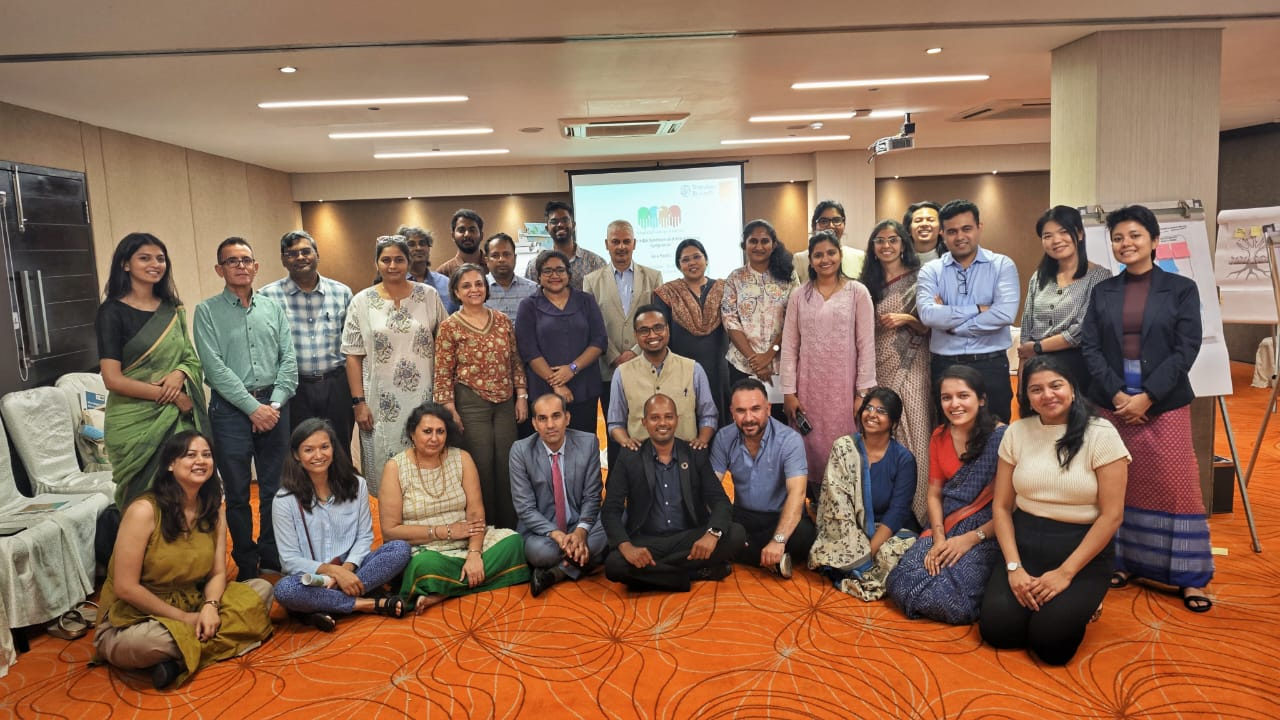
The symposium provided a vital platform for collaboration, knowledge sharing, and critical discussions on climate change adaptation strategies affecting communities across the region. Delegates shared insights from ongoing projects, participated in thematic workshops, and explored emerging tools for evaluating and scaling adaptation efforts. Key topics included climate change impacts on health, food system resilience, human settlements, and the use of digital technologies for climate adaptation.
Among the distinguished participants was Namo Majeed, Director of the IRO Organization for Community Development (IRO). Representing the IRO, Mr. Majeed presented on the theme “Building Climate-Resilient Human Settlements in the Kurdistan Region of Iraq (KRI)”, emphasizing the urgent need for locally relevant solutions that enhance infrastructure resilience, protect vulnerable communities, and mainstream climate adaptation into urban planning. His presentation highlighted IRO’s ongoing work and commitment to fostering sustainable, climate adaptive environments in regions facing increasing climate pressures. (Statement provided by IRO)
Throughout the three-day symposium, participants engaged in rich exchanges of experience and practice, strengthening networks that bridge grassroots action with regional and global adaptation objectives. The Knowledge Synthesis Symposium underscored the importance of collaborative approaches to confronting climate vulnerabilities and advancing resilience across diverse socio-ecological contexts in the Asia-Pacific region.